
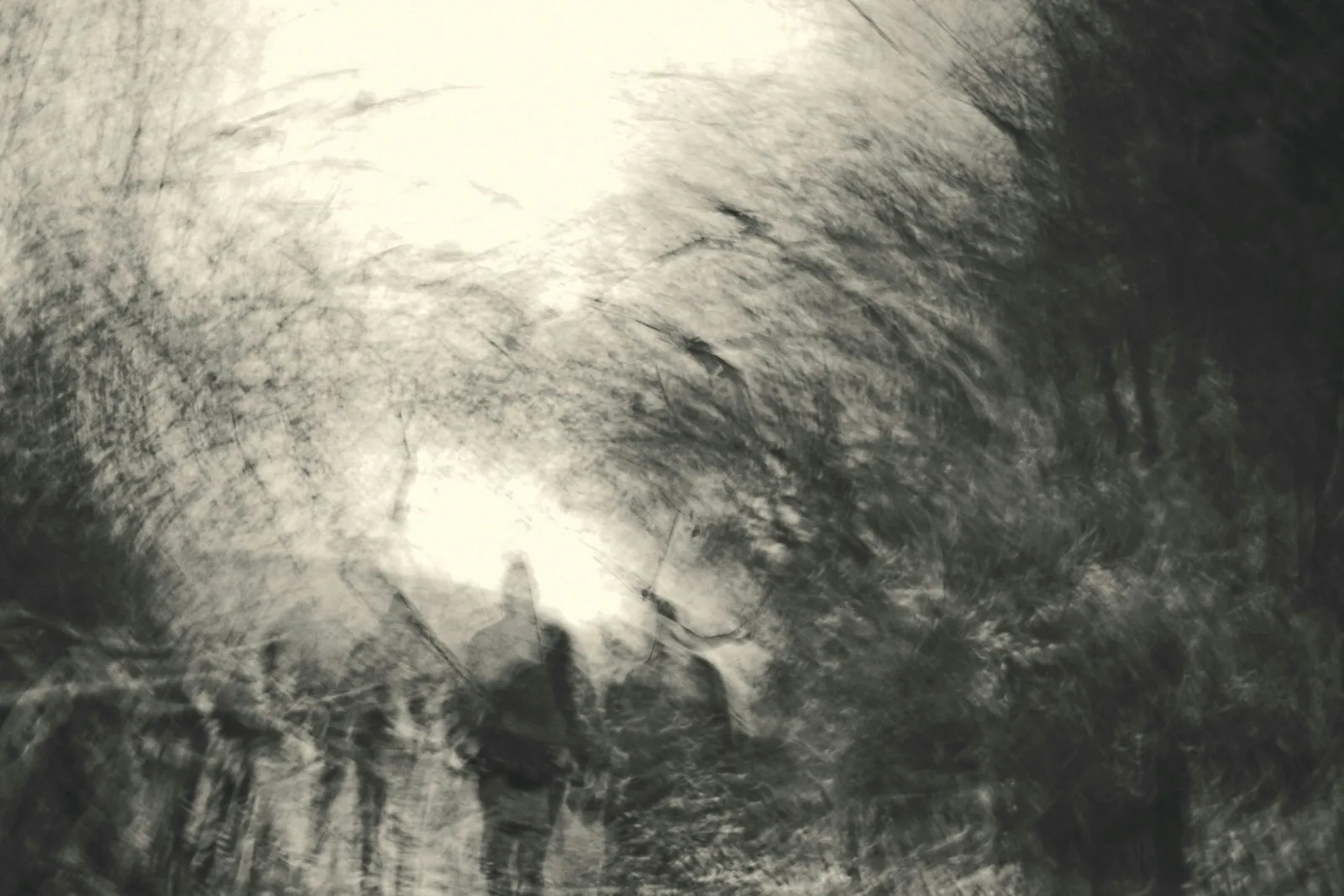

How do you define old age? I would say it is a hardening of body and soul together, caused by many factors—health chief among them. But not only that. The oldest woman in the residence where I live, for instance, is 104 and her mind remains sharp. It is her body that wears out and no longer obeys. An aide tends to her personal needs each day and brings her to lunch at noon. Though her sight and hearing have weakened, she still recognizes those who greet her as she passes—by the timbre of a voice she knows well—and she answers them by name.
Yet it is hard to watch some decline day by day, losing their bearings, slipping into senility and sometimes Alzheimer's. This forces us to ask ourselves: how will we live the end of our own lives?
Dependence is the great trial of old age. Everyone dreads it the moment they feel their strength fading and every effort becoming painful. The thought of placing yourself entirely in the hands of strangers weighs on us, an anxiety that spares no one. The burden eases according to the gentleness of each caregiver. We owe tribute—and thanks—to all those I see at work here, everyone who has made their work a true "service." But it is a path that must be prepared on both sides.
The Secret Is...
If memory is the first thing to falter, we must tend to it all the more carefully. "Keep your desires alive," says Rita Levi, that exceptional centenarian neurologist, Nobel laureate in medicine for her discoveries about neurons. "The secret is to remain curious, engaged, and to have passions." For this reason I did not hesitate to buy my first computer at eighty-five. At ninety-six, I cannot do without it: it lets me stay in touch with friends across every continent—a communion essential to living. Others, great musicians, still offer quiet concerts in their rooms, gathered with faithful listeners. Above all, I think we must not die before our time. What you abandon today you will not reclaim. The worst choice, in my view, is to listen to yourself too much, to spend too much time lying down, doing nothing when there is still so much to do: to think more deeply, for instance. I draw strength from the courage of an American who visited our circle of journalists one day. He had lost both legs in war and walked on two prosthetics, because he said: "A man must live on his feet." At the end of his talk, he told us: "If you remember only one thing I have said, hold this: what remains is always preferable to what has been lost." As Death Draws Near "You live as you have lived," they say. There is truth in that. Among the hundred people here, you see at once those who took on responsibilities. And you see those whom life has spoiled, or who let themselves drift without preparing for the trials that come with life's end. They live in memories, in grief poorly grieved, brooding on past mistakes. They have one desire, repeated endlessly: "Let it all be over soon!" But the closer the end comes, the more existential questions arise—questions we answer poorly or not at all. Like my companion who says she has lost her faith "because God made my husband suffer too much." How I wish she understood the Father's mercy better. It remains true that in this season of life, precisely when we feel ourselves ever more fragile—and I am not immune—it is a grace to understand that our "I" reaches beyond the body's limits; that through all trials we must carve our furrow; that what remains of our vitality is enough. I remember very well a man I met while photographing the ruins of the Agadir earthquake in Morocco. As I approached, he said: "Madam, I have lost everything. I have only my wife and my son left in the world. That is why I photograph the ruins of my house—to remember for a long time that what mattered was not there." No, old age is not a shipwreck! It is the arrival at port of an old salt who has weathered waves and storms. What a victory, by contrast! One must, as we all must, learn to live on the shore, to remain in the breach, hunting for news, reacting to what you hear, striving to pass something on, to give what you can, and to accept what will be given—without endless performance or display of your ailments. May God guard us, as that seventeenth-century nun prayed: "from becoming a bitter old woman, which is one of the devil's greatest inventions..." C. Honeré-Laine, 2010Ombres et Lumiére n.173